What's the difference between an accent changer and a voice changer?
Accent Changer Team
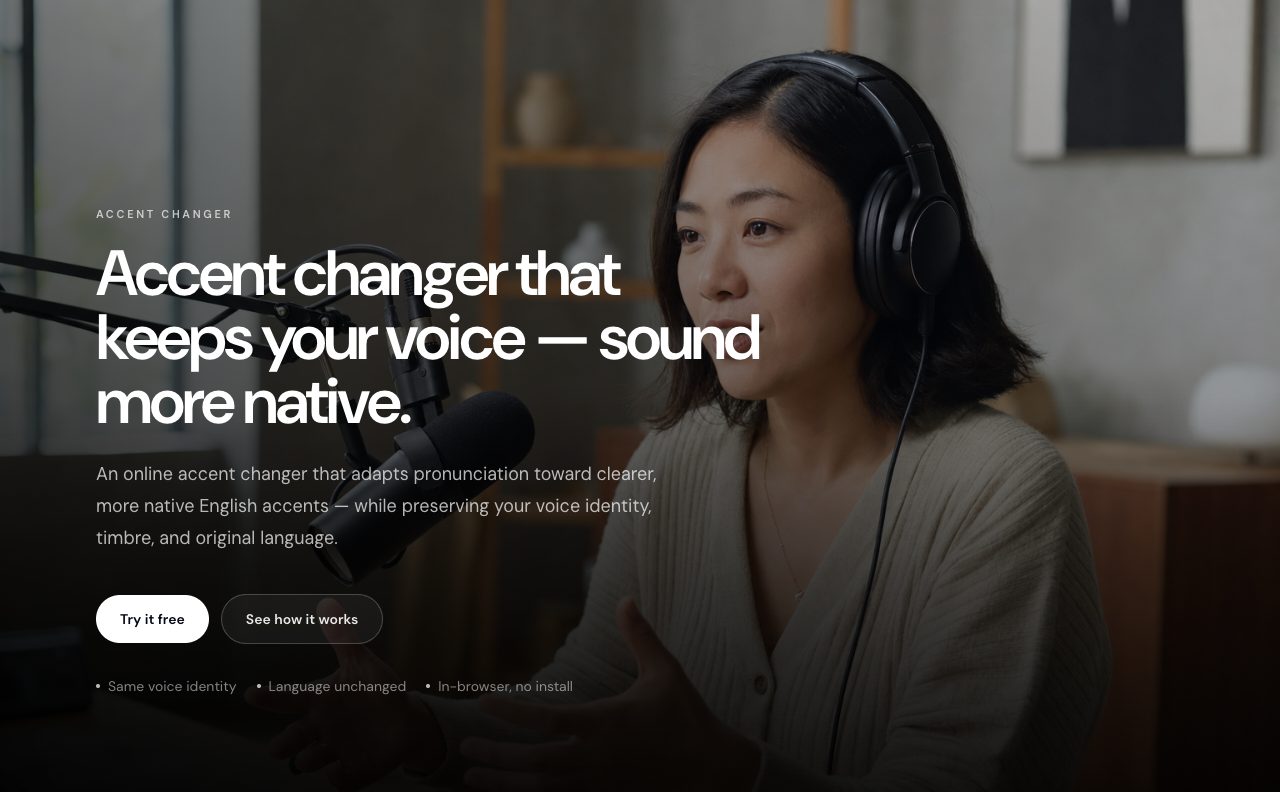
An accent changer adjusts pronunciation while keeping your voice identity; a voice changer replaces or disguises who you sound like. That is the practical difference. Accent conversion reshapes vowels, consonants, and intonation toward a target dialect. Voice changers shift pitch, timbre, or entire vocal identity — often for anonymity, characters, or parody.
If you want to sound like you, but clearer for a different English-speaking audience, you want accent conversion. For a product overview, start with the AI accent changer workflow. If you want to sound like someone else, you want a voice changer or TTS.
Side-by-side comparison
| Accent changer (speech-to-speech) | Voice changer | |
|---|---|---|
| Goal | Different pronunciation, same person | Different person or disguised voice |
| Input | Your recording | Your recording or live mic |
| Output | You, with adjusted accent | Often unrecognizable |
| Language | Same language | May change pitch/gender/character |
| Best for | Podcasts, videos, demos | Gaming, pranks, anonymity |
| TTS overlap | No — uses your audio | Sometimes — stock voices |
Accent changer: what it does
A proper speech accent changer takes your recording and shifts delivery toward British, American, Australian, or another English profile. The tool tries to preserve:
- Timbre (you still sound like you)
- Timing and pauses from your original take
- Emotional energy and emphasis
- The exact words you spoke
What changes is how those words are pronounced — not who is speaking.
Voice changer: what it does
Voice changers — including many "AI voice" apps — alter identity:
- Pitch shifting (higher or lower)
- Gender presentation changes
- Celebrity or character voice models
- Robotic or anonymized output
Consumer apps like Voicemod are built for live play — pitch shifts, character skins, and anonymous mic output. That is a different job from polishing a recorded tutorial for a US audience.
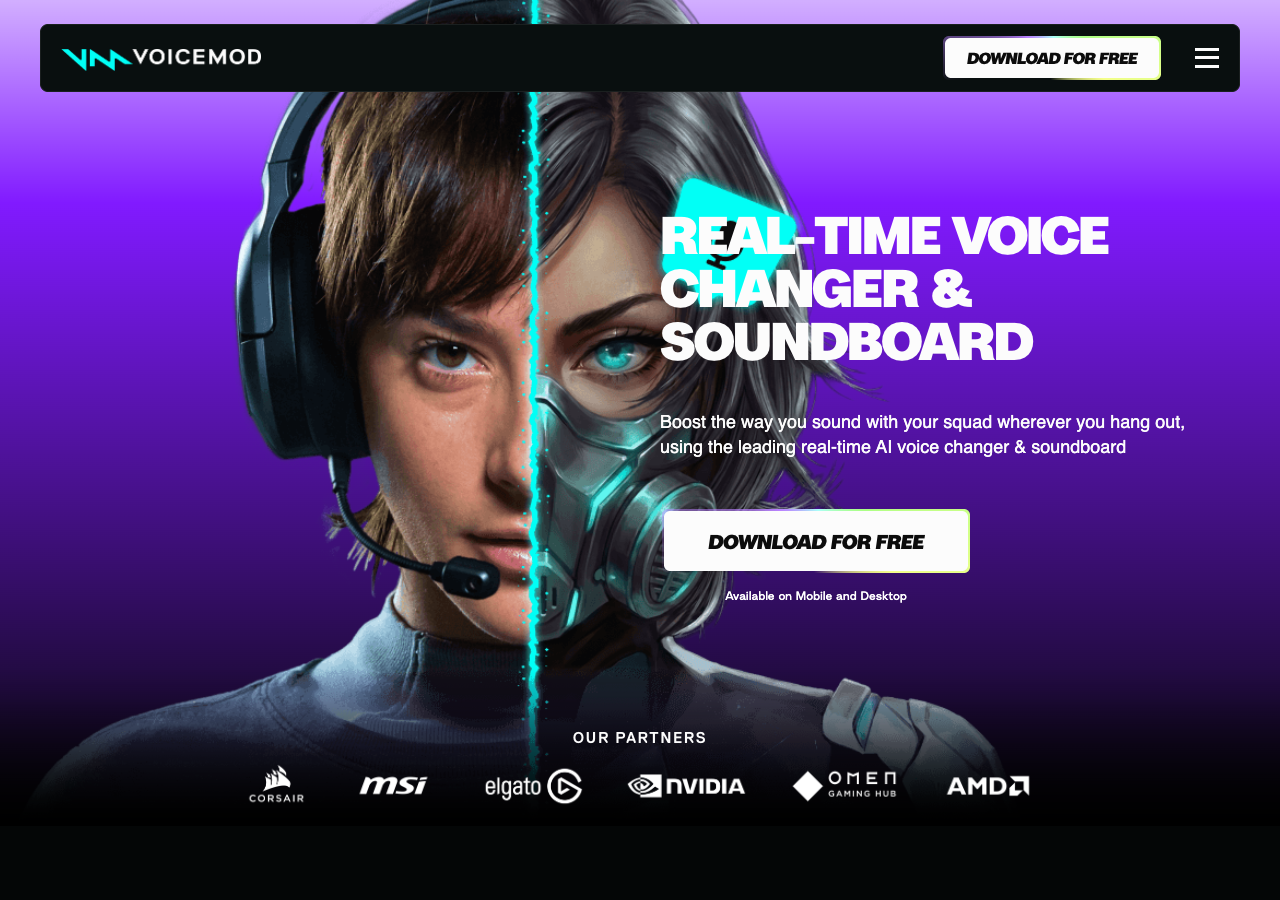
Some voice changers work live on a microphone (common in gaming). Others use voice cloning from a short sample. Neither is designed for "make my British tutorial clearer for US viewers while staying myself."
Where TTS fits
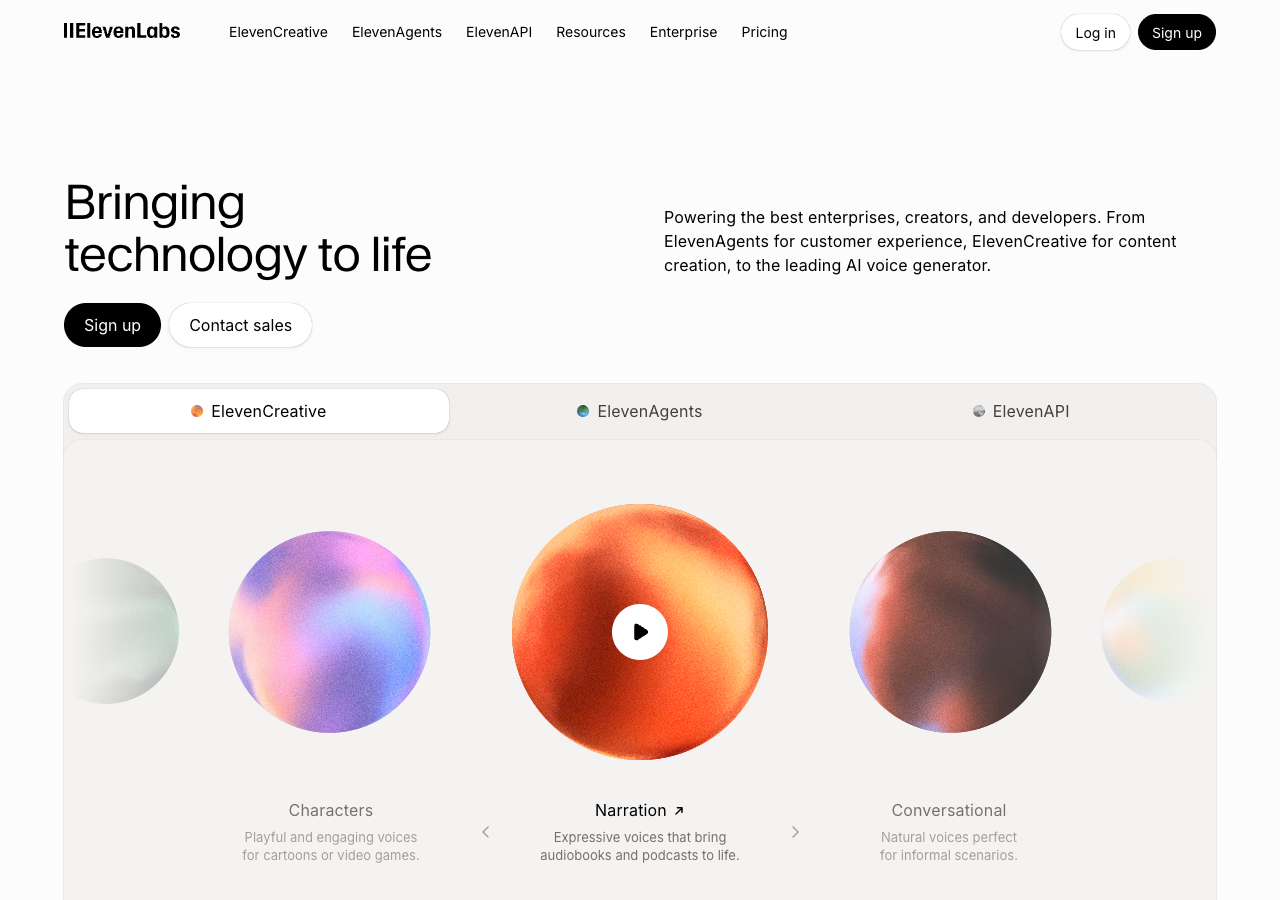
Text-to-speech is a third category often confused with both. Platforms like ElevenLabs generate narration from written text — a stock voice reading your script, not your recording reshaped.
| Accent conversion | TTS | Voice changer | |
|---|---|---|---|
| Input | Your audio | Written text | Audio or live mic |
| Sounds like you | Yes (goal) | No | Usually no |
If a tool asks you to type a script, it is TTS — not accent conversion. See speech-to-speech accent converter (not TTS) for the full breakdown.
Which one do you need?
Choose accent conversion if:
- You have a recording you want to polish
- You need clearer delivery for a target audience
- Listeners should still recognize your channel or brand voice
- You are working in the same language (English to English)
Choose a voice changer if:
- You want anonymity or a fictional character
- You are gaming or doing parody content
- Identity change is the point, not pronunciation polish
Choose TTS if:
- You are creating audio from a written script with no existing recording
- A stock narrator voice is acceptable
Try accent conversion
accentchanger.com is speech-to-speech accent conversion — not a gimmick voice mask. Upload your audio, pick a target accent, preview, download.
The change accent and keep your voice workflow is the core use case.
For podcast-specific guidance, see accent converter for podcasts without TTS.
Bottom line
Accent changer = same person, different pronunciation. Voice changer = different person or disguised identity. For post-production polish on recordings you already have, accent conversion is the right category.
Test the difference yourself at accentchanger.com — upload a clip and compare before and after.