Should I learn American pronunciation or use an accent changer for content?
Accent Changer Team
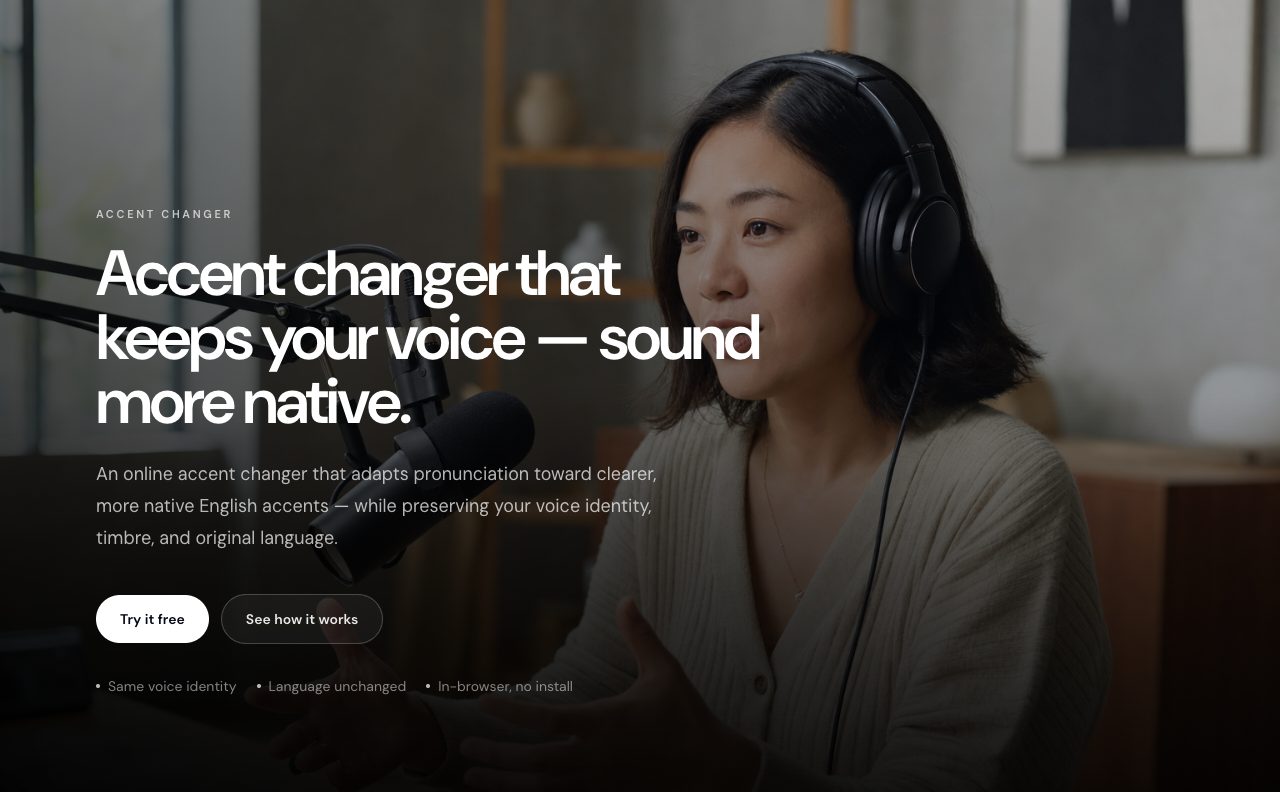
It depends on whether you are performing live or publishing files. Learning American pronunciation is the long-term investment for calls, stage work, and everyday conversation. An accent changer is the production shortcut when you already have a recording and need it to land with US listeners.
Creators often frame this as either/or. In practice, the best answer is both at different stages — learn for sustainability, convert for deadlines.
When learning American pronunciation is worth it
Invest in pronunciation training when your income or audience connection depends on live, unedited speech:
- Client discovery calls and sales demos
- Live webinars and Q&A sessions
- In-person or hybrid presentations
- Podcast hosting where you record in one take with minimal editing
American English training gives you muscle memory: reduced vowels, rhotic /r/, stress patterns in compound nouns, and clearer /th/ sounds. No post tool can substitute for that in a spontaneous sentence.
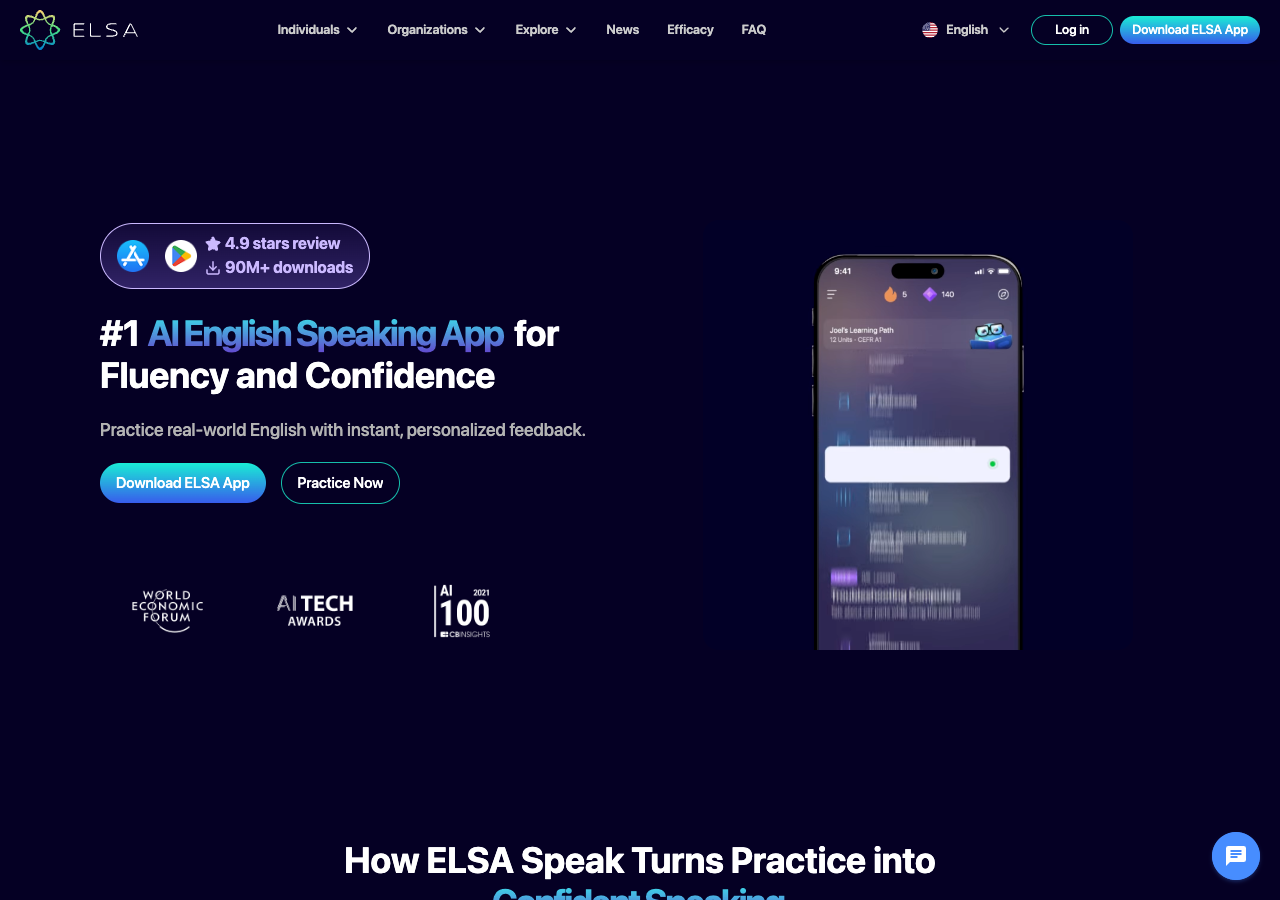
Apps like ELSA Speak score your drills in real time and track progress over weeks — a solid path when live clarity is the bottleneck.
When an accent changer is the smarter move
Use conversion when the deliverable is a file and the clock matters:
- YouTube videos and Shorts already filmed
- Online course lessons scripted and recorded
- Explainer voiceovers for product demos
- Re-publishing the same script for a US vs UK audience version
Here you are not avoiding learning forever — you are meeting a publish date. An accent reduction tool softens strong patterns toward American delivery while keeping your timbre and emotional read.
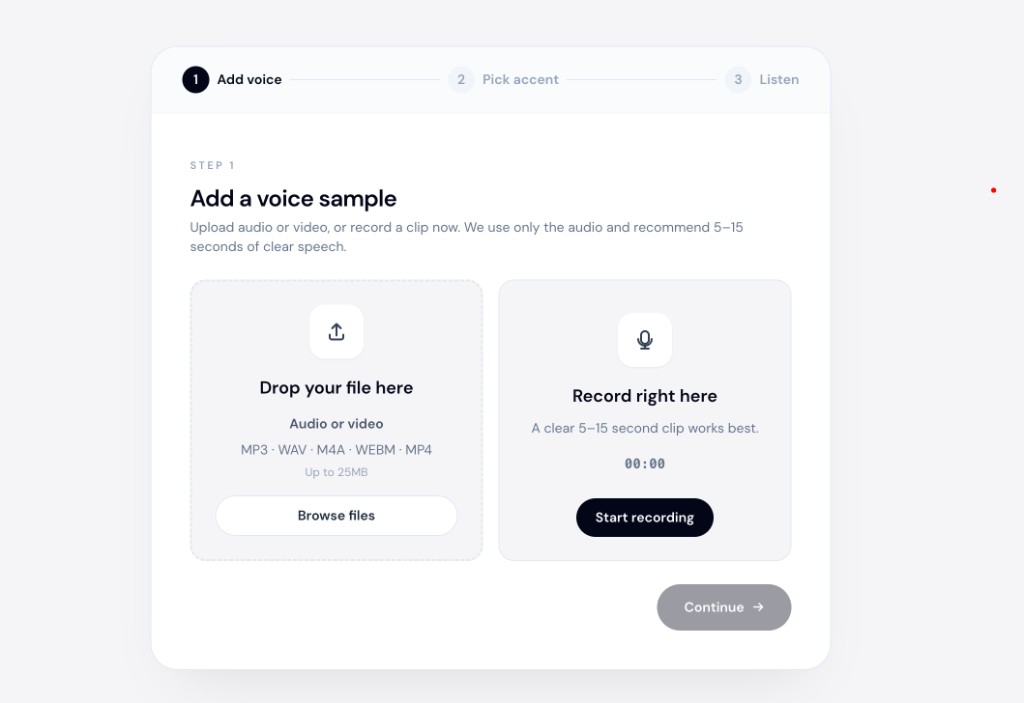
That is exactly what speech-to-speech tools at accentchanger.com are built for: your audio in, American-profile audio out, preview in the browser, download MP3.
Compare your actual workflow
| Situation | Learn pronunciation | Use accent changer |
|---|---|---|
| Weekly live coaching calls | ✓ Primary | Optional for promo clips |
| Batch-recorded course (30 lessons) | Slow for deadline | ✓ Primary |
| Podcast interview (guest, live) | ✓ Primary | Not applicable |
| Narration recorded once, US market | Helpful long-term | ✓ Primary |
| TikTok talking-head series | Both — learn between shoots | ✓ For rushed edits |
If most of your revenue comes from edited content, leaning on conversion is rational economics, not laziness.
A combined strategy creators use
- Record naturally in your comfortable accent — better energy than forcing American sounds on day one.
- Convert a version for US-focused distribution (YouTube, Udemy, client deliverables).
- Study the diff — listen to before/after on the same script; pick one sound to practice this week.
- Gradually record more natively as live confidence grows; use conversion less on new material.
Over six months, many creators shift from "convert everything" to "convert only legacy archives" — because listening to converted versions trained their ear.
Cost and time reality
American pronunciation coaching: recurring cost, compounding benefit, slow start.
Accent conversion: per-project or freemium, immediate output, no live skill transfer.
For a creator shipping two videos per week, converting takes minutes per file via reduce accent online workflows. Re-recording every take in a new accent takes hours — and often sounds stiff.
What not to do
- Do not skip learning only because conversion exists — live opportunities will still appear.
- Do not force American pronunciation on every live take if it kills your authenticity; audiences forgive accent before they forgive monotone delivery.
- Do not use text-to-speech narrators when you already have a great performance on tape — convert the recording instead.
Bottom line
Learn American pronunciation for live speaking and long-term brand voice. Use an accent changer for published content when you need US clarity now without a full re-record. Most successful creators treat conversion as production gear and pronunciation as career capital — not competitors, but partners in the same pipeline.